Why a 12V 200Ah LiFePO4 Battery Is the Ultimate Energy Solution for RV Life?
Blog | May 22, 2026
For every RV enthusiast who loves van life or long-distance road trips, power anxiety is an all‑too‑familiar memory. Traditional lead‑acid batteries often leave you walking a tightrope: you don’t dare run the high‑power air conditioner, you worry about food thawing in the fridge, and you constantly watch the voltmeter for fear of a dead battery and being stranded.
At the end of this struggle, the answer is almost always the same: upgrading to a 12V 200Ah lithium iron phosphate (LiFePO4) battery. This is not just a simple capacity increase – it is a complete liberation of your lifestyle and your philosophy about using electricity.
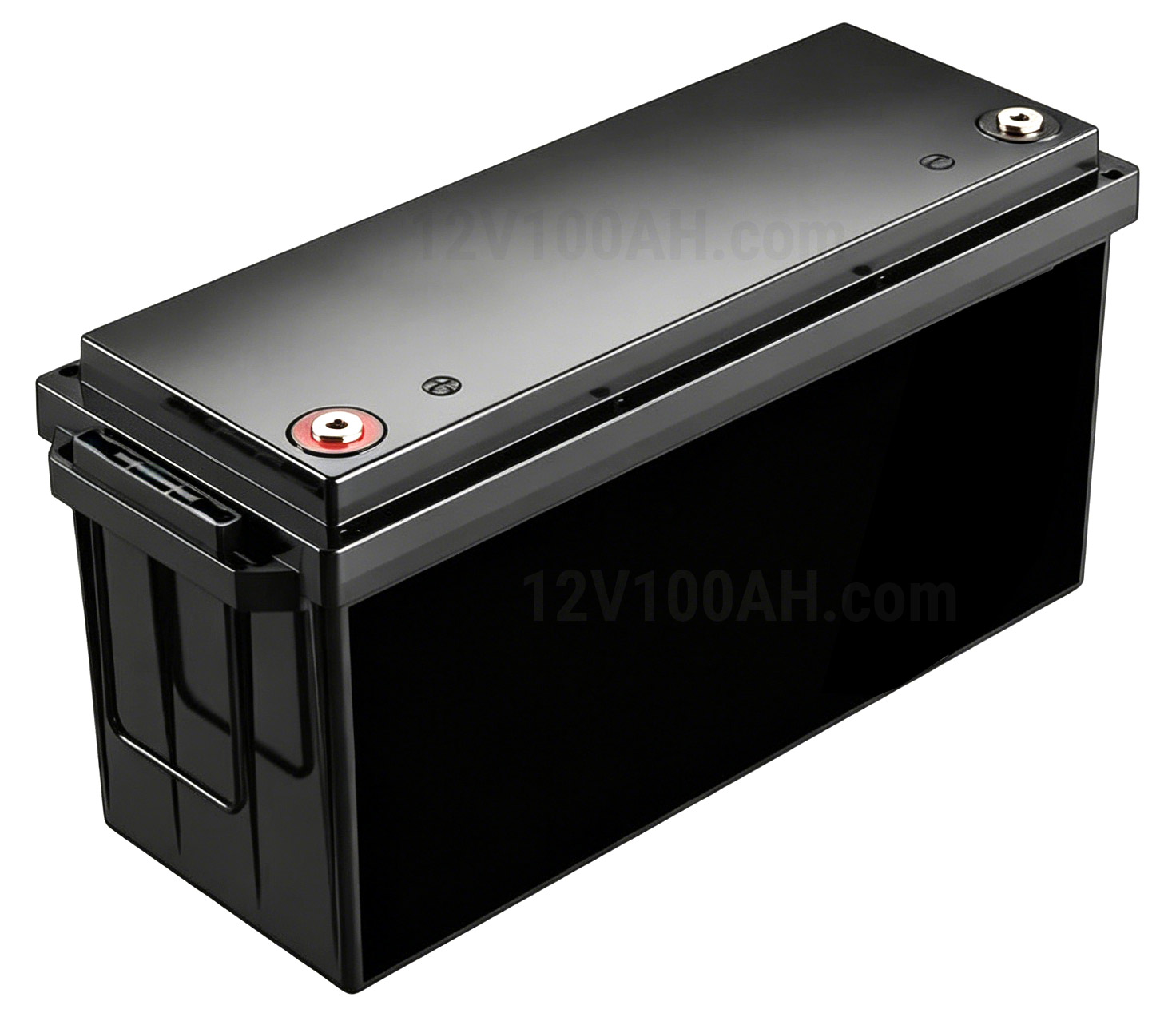
1. A Quantum Leap: Not Just “More Capacity”, but “Usable Capacity”
Newcomers to RVs often ask: “How much electricity can 200Ah actually store?” A quick calculation: 12V × 200Ah = 2560Wh (approximately 2.5 kWh). But this is only the theoretical figure. The real advantage of LiFePO4 lies in its deep discharge capability.
To prolong their life, lead‑acid batteries are typically recommended to be discharged no more than 50%. That means a 200Ah lead‑acid battery gives you only 100Ah of usable capacity. In contrast, a lithium iron phosphate battery can safely be discharged to 95% or even deeper.
In practical terms, one 12V 200Ah lithium battery offers roughly the same usable energy as two or three lead‑acid batteries connected in parallel. For an RV, that 2.5 kWh is enough to run a standard 12V DC air conditioner for several hours, or to easily power your refrigerator, lighting, phone charging and other basic loads for two to three nights without hookups.
2. Weight and Space: A Lightweight Revolution for Your RV
On the road, every kilogram matters for fuel economy and handling. Traditional lead‑acid batteries are heavy and bulky. A 100Ah lead‑acid battery weighs about 30 kg. To get 200Ah of usable capacity, you might be carrying over 60 kg of batteries.
By comparison, a 12V 200Ah LiFePO4 battery typically weighs between 20 and 25 kg (e.g., about 21 kg for MANLY, 19.9 kg for VEVOR). Shedding those tens of kilograms allows you to carry more luggage, a larger water tank, or simply reduce the load on your rear axle for safer driving.
Moreover, LiFePO4 batteries can be placed on their side or upright, offering much more flexible installation. Many RVs can directly replace the old lead‑acid battery with a lithium unit without modifying any structures.
3. Efficiency and Safety: The Peace of Mind Provided by a BMS
Many RV owners worry about the safety of lithium batteries. With modern manufacturing, this concern has been largely resolved. LiFePO4 is the most thermally stable chemistry among lithium‑ion batteries – it resists high temperatures, is non‑flammable, and will not experience thermal runaway like NMC batteries, even when punctured or crushed.
More importantly, high‑quality 12V 200Ah batteries come with a built‑intelligent Battery Management System (BMS). This system acts as the AI brain of the battery, constantly monitoring cell conditions:
(1) Overcharge / over‑discharge protection: The BMS disconnects the circuit when voltage goes too high or too low, preventing damage.
(2) Short circuit / overcurrent protection: If you simultaneously run several high‑power appliances and draw too much current, the BMS will temporarily trip to prevent fire hazards.
(3) Low‑temperature charge protection: This is especially important for winter camping. Charging a lithium battery at low temperatures (typically below 0°C or -5°C) can cause irreversible damage. A good BMS will block charging when it’s too cold – or, on premium self‑heating models, pre‑warm the battery before allowing charging.
4. Charging Efficiency: Getting the Most from Your Solar Panels
If you have solar panels on your roof, the advantages of a lithium battery become even more apparent.
Lead‑acid batteries have poor charge acceptance; as they approach full charge, the charging rate drops sharply (like trying to fill a bucket through a narrow straw). In contrast, lithium batteries have very low internal resistance. They maintain high charging efficiency right up until the very last moment before reaching full charge.
This means that, under the same sunlight conditions, an RV with a lithium battery can harvest 20‑30% more solar energy per day than one with a lead‑acid battery. Paired with an MPPT solar charge controller, you can even rapidly top up the lithium battery while driving via your alternator (recommended with a DC‑DC charger to protect the alternator).
5. Long‑Term Thinking: A Decade Without Replacement
At first glance, a 12V 200Ah lithium battery has a higher upfront cost (typically in the range of 280 to 550, depending on brand and cell grade) compared to a lead‑acid battery (often under $100). But when you run the numbers, the lithium battery is actually cheaper in the long run:
(1) Lifespan comparison: A typical lead‑acid battery lasts 500 to 1000 cycles, while a LiFePO4 battery is usually rated for over 4000 cycles. Even after deep discharges of 80%, it continues to perform admirably, with a design life of 10 years or more.
(2) Total cost of ownership: Over a 10‑year RV ownership period, you might replace your lead‑acid batteries three or four times. A lithium battery, once installed, can easily last as long as the vehicle itself. Over the long term, lithium batteries actually lower your total cost of ownership.
For RV owners who value freedom and deep exploration, the 12.8V 200Ah LiFePO4 battery has become today's gold standard. It not only provides a superior energy storage solution, but also gives your RV the confidence to truly feel like a home – where electricity is no longer a constraint, but a reliable companion ready whenever you need it.
Upgrade advice: When purchasing, focus on two core criteria - Grade A cells and a smart BMS. Choose reputable brands. Based on your usage habits, pair the battery with a pure sine wave inverter, and you will completely leave camping power anxiety behind.

